


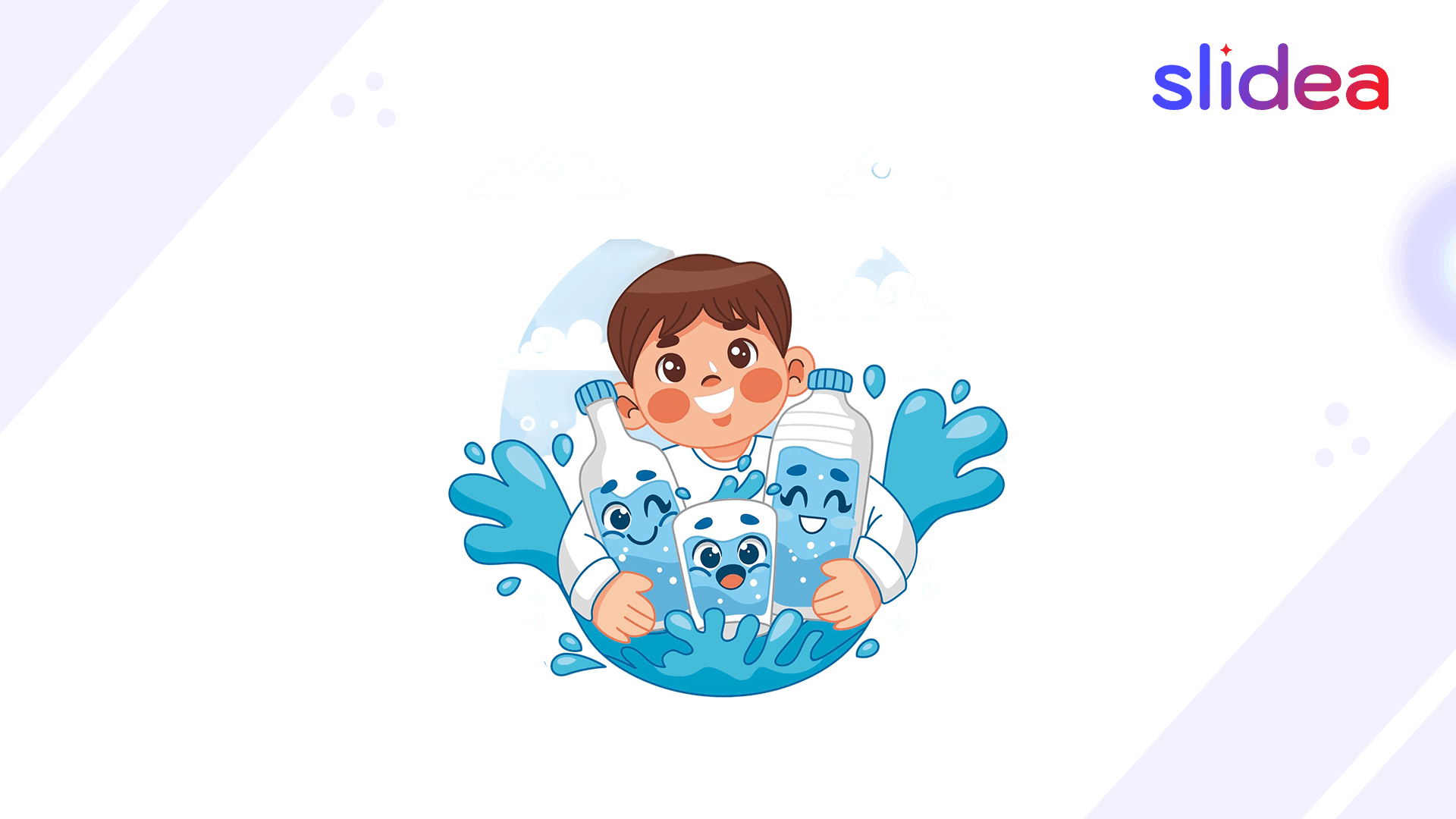
Every year on March 22, schools around the world celebrate World Water Day to raise awareness about the importance of clean water and responsible water use. Water is something students use every day, yet many young learners may not fully understand how precious it is. A well-designed presentation can help students see water not just as a resource, but as something that must be protected for the future.
Traditional presentations often involve slides filled with facts and statistics. While information is important, students learn better when they can participate, think, and share their ideas. Turning a water awareness session into an interactive learning experience helps students remember the message more clearly.
Interactive presentation software can make a real difference in how students learn about water conservation. By combining discussion, visual content, and participation activities, teachers can turn a simple lesson into an engaging awareness session. Students can answer questions, share ideas, and explore ways to protect water in a way that feels both fun and meaningful.
1. Start with a Water Awareness Icebreaker
Begin the presentation with a simple question that encourages students to think about their daily water usage. Many students do not realize how often they rely on water throughout the day.
Ask questions like:
- How many glasses of water do you drink in a day?
- Where does the water in your home come from?
- What activities use the most water at home?
Students can share answers or vote on options. This short activity immediately connects the topic to their everyday lives and makes them curious about learning more.
2. Show the Journey of Water
A powerful presentation idea is explaining how water travels from nature to our homes. Students often take tap water for granted, but learning about the journey of water helps them appreciate it more.
Use simple visuals or illustrations to explain:
- Rainfall and natural water sources
- Water treatment processes
- How water reaches homes and schools
- Why clean water is important for health
Teachers can ask students to imagine the journey of a drop of water from a cloud to their drinking glass. This storytelling approach helps students understand complex ideas in a simple way.
3. Water Conservation Brainstorm
Encouraging students to think about solutions is one of the best ways to build awareness. After explaining the importance of water, ask students to suggest ways to save water in their daily routines.
Students might suggest ideas such as:
- Turning off the tap while brushing teeth
- Taking shorter showers
- Reusing water for plants
- Fixing leaking taps
Teachers can collect these suggestions and discuss how small actions can create a big impact when practiced by many people.
4. Water Quiz Challenge
Quizzes are a great way to reinforce learning. A short quiz during the presentation can make students excited while also helping them remember important facts.
Example quiz questions could include:
- How much of Earth’s water is drinkable?
- Which activities use the most water at home?
- Why is clean water important for health?
Students enjoy friendly challenges, and quizzes keep them attentive throughout the session.
5. Poster or Slogan Creation Activity
Creative activities help students express their understanding of environmental topics. Ask students to design a short slogan or poster that promotes water conservation.
Examples of slogans students might create:
- “Every Drop Matters”
- “Save Water, Save Life”
- “Protect Water for Tomorrow”
Teachers can display these slogans during the presentation or around the classroom. This activity encourages creativity while reinforcing the message of conservation.
6. Discuss Real-World Water Challenges
Students also benefit from understanding global water challenges. Explain that many communities around the world struggle to access clean drinking water.
You can discuss topics such as:
- Water scarcity in different regions
- Pollution affecting rivers and lakes
- The importance of protecting natural water sources
Presenting real-world issues helps students develop empathy and encourages them to think about solutions.
How Slidea Can Support World Water Day Presentations
Using Slidea can make a World Water Day presentation more engaging and participatory. Instead of students only listening, they can actively contribute to the discussion and share their thoughts.
Teachers can start the session with a live poll asking students how they use water every day. This instantly involves the whole class and helps teachers understand student habits.
A word cloud activity can collect ideas about water conservation. Students might submit words such as save, protect, clean, or reuse. As the words appear on the screen, the class can discuss how each action helps protect water.
Short quizzes can test students’ knowledge about water sources, conservation methods, and global water facts. These quick questions make the learning process more enjoyable.
Teachers can also use open-ended responses to ask students how they plan to save water in their daily lives. This encourages reflection and helps students connect the lesson with their personal habits.
These interactive elements help maintain attention and create a collaborative learning environment where students feel comfortable sharing ideas.
Plan Your World Water Day School Presentation
Planning a meaningful World Water Day presentation does not require complex tools or long lectures. What matters most is creating an experience that encourages curiosity, discussion, and action.
Start with a relatable topic, include simple activities, and allow students to express their thoughts. When students actively participate, they are more likely to remember the message and practice water conservation in their daily lives.
Final Thoughts
World Water Day is a valuable opportunity for schools to teach students about the importance of protecting one of Earth’s most essential resources. A thoughtful presentation can help students understand how water supports life and why responsible usage matters.
From awareness discussions to creative activities, schools can turn this day into a meaningful learning experience. When students share ideas, explore solutions, and think about their daily habits, the message of water conservation becomes more powerful.
With engaging presentation methods and active participation, World Water Day can inspire students to respect water and protect it for future generations.
FAQs
Q1. What activities can schools organize for World Water Day?
Schools can organize presentations, quizzes, poster competitions, and discussions about water conservation.
Q2. How can teachers explain water conservation to students?
Teachers can use simple examples from daily life, such as turning off taps, reducing water waste, and protecting natural water sources.
Q3. Why is World Water Day important for students?
It helps students understand the value of clean water and encourages responsible habits that protect water resources.
Q4. How can interactive presentations improve environmental awareness?
Interactive presentations allow students to share ideas, answer questions, and actively participate in discussions.
Q5. What is a good slogan for World Water Day?
Popular slogans include “Every Drop Counts,” “Save Water, Save Life,” and “Protect Water for the Future.”








Leave a Comment
Your email address will not be published. Required fields are marked *