


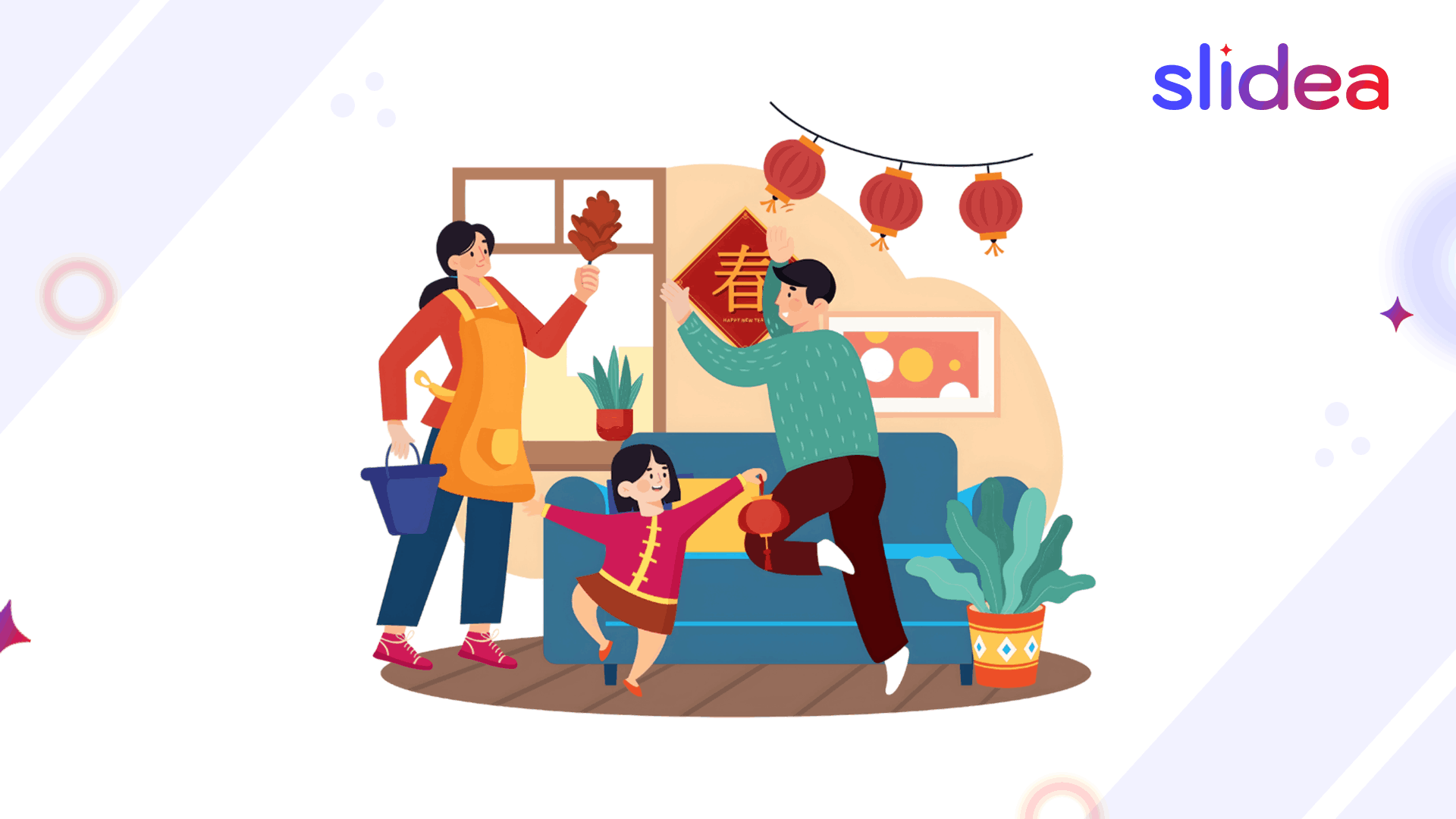
Walk into any home during Chinese New Year and you’ll notice something magical, the color red literally everywhere. But here’s what most people don’t realize: hanging those decorations upside down isn’t a mistake. The Chinese character for “upside down” sounds exactly like the word for “arrive,” so an inverted 福 (fu, meaning fortune) symbolizes “fortune has arrived.” Genius wordplay turned into design tradition.
The decorations in Chinese New Year are not merely about beautifying spaces to look celebratory, but it is more a strategic invitation to prosperity, places of symbols that will bring good luck, and a visual display of hopes of the forthcoming year. Each of the lanterns suspended, each banner nailed up, each kumquat tree, has its significance that has been handed down through the generations.
The question is not whether you should have a decoration as we move into the Year of the Snake on January 29, 2026, but how to design a place which would celebrate the tradition without ignoring your personal preferences. On the one hand, whether you are planning on decorating your house during family celebrations, converting an office into one during team events, or renting a venue on the occasion of a big community celebration, the correct decorations would create an atmosphere of happiness, wealth, and new opportunities.
And here’s a modern twist many people miss: beyond physical decorations, creating a digital experience using an interactive presentation platform can complement your beautiful décor. Display cultural explanations, run decoration-themed quizzes, or create word clouds where guests share what different symbols mean to them, a combination of visual beauty with modern engagement technology.
Let us look at some of the decoration concepts that will make your celebrations during the Chinese New Year of 2026 to be visually amazing and symbolically strong.
1. Traditional Red & Gold Foundation
Why These Colors Matter:
Red symbolizes good fortune, joy, and success. Gold represents wealth and prosperity. Together, they create the essential color palette for authentic Chinese New Year decorations.
Easy Implementation:
- Hang red lanterns at your entrance, along hallways, and in gathering spaces
- Use gold tablecloths or runners for dining areas
- Display red and gold cushions on seating areas
- Wrap doorways with red fabric or paper garlands
- Set out red candles in gold holders
Modern Twist:
Mix traditional red with burgundy, crimson, or coral shades for depth. Add metallic gold accents through picture frames, vases, or decorative objects.
2. Chinese Lanterns: The Centerpiece
Traditional Paper Lanterns:
Round lanterns symbolize family reunion and completeness. Hang them at varying heights to create visual interest. Choose sizes from small (6-inch) to large (24-inch) for dimensional displays.
Placement Strategy:
- Main entrance: Large welcoming lanterns
- Living spaces: Clusters of medium lanterns
- Dining area: String of smaller lanterns above table
- Outdoor areas: Weather-resistant lanterns along pathways
DIY Option:
Purchase plain red paper lanterns and personalize them with gold paint markers, adding family names, lucky characters, or the year’s zodiac animal (Snake for 2026).
LED Enhancement:
Modern LED string lights inside lanterns create beautiful glows without fire hazards, perfect for homes with children or indoor events.
3. Lucky Symbols & Characters
福 (Fu) – Fortune/Blessing:
The most popular character displayed during New Year. Hang it on doors, walls, or windows. Remember: hanging it upside down means “fortune arrives!”
春 (Chun) – Spring:
Represents renewal and fresh beginnings. Perfect for doorways welcoming guests into your celebration.
Couplets (对联, Duilian):
Red banners with poetic phrases hung on either side of doorways. They express good wishes in matching pairs. Purchase pre-written ones or create custom couplets meaningful to your family.
Placement Tips:
- Main entrance gets the most important characters and couplets
- Individual rooms can feature characters representing specific wishes (wealth for office, harmony for bedrooms)
- Windows are traditional spots for smaller character decorations
4. Fresh & Symbolic Plants
Kumquat Trees:
Small potted kumquat trees with golden fruit symbolize prosperity and good fortune. Place them at entrances or as dining table centerpieces.
Pussy Willows:
These furry catkin branches represent growth and new beginnings. Arrange them in tall vases as elegant natural decorations.
Plum Blossoms:
Symbolize resilience and hope. Fresh or silk plum blossoms in red or pink add natural beauty to any space.
Bamboo:
Represents strength and flexibility. Lucky bamboo arrangements work beautifully as desk decorations or small accent pieces.
Care Tips:
- Keep kumquat trees in bright, indirect light
- Change water for pussy willows every few days
- Position plants away from heaters to extend freshness
5. Table Setting & Centerpieces
Traditional Table Decor:
- Red tablecloth with gold placemats or runners
- Centerpiece of fresh oranges, tangerines, or kumquats in decorative bowl
- Red napkins folded into lucky shapes
- Gold chargers under dinner plates
- Tea set displayed as decorative element
Modern Fusion:
Combine traditional elements with contemporary design, clear glass vases filled with red flowers, minimalist white dishes with red accents, or modern geometric gold candleholders.
Interactive Element:
Create place cards featuring Chinese zodiac animals. Guests find their seats based on their birth year’s animal, doubles as conversation starter and decoration.
6. Wall & Window Decorations
Paper Cutting Art (剪纸, Jianzhi):
Intricate red paper designs featuring zodiac animals, flowers, or lucky symbols. Stick them on windows where the backlight creates beautiful silhouettes.
Banners & Scrolls:
Vertical hanging scrolls with calligraphy or paintings. These traditional decorations add elegance to plain walls.
Photo Displays:
Create a “Year in Review” photo wall showing family highlights from the past year. Frame photos in red or gold frames arranged in lucky number groupings (multiples of eight are ideal).
Window Clings:
Reusable vinyl stickers featuring zodiac animals or festive scenes. Easy to apply and remove, perfect for renters or temporary decorations.
7. Door & Entrance Decorations
Door Gods (门神, Menshen):
Traditional paintings of protective deities placed on doors to guard against evil spirits. Available as posters or decorative door covers.
Wreaths:
Create Chinese New Year wreaths using red flowers, gold ornaments, small lanterns, and lucky symbols. Hang on front doors as welcoming focal points.
Floor Decals:
Red and gold floor stickers creating pathways or patterns at entrances. These guide guests and add festive ground-level decoration often overlooked.
8. Event-Specific Large-Scale Decorations
Ceiling Installations:
For larger venues, create dramatic ceiling installations with:
- Hanging lantern clusters at varying heights
- Red and gold ribbon cascades
- Paper fan decorations in graduated sizes
- Suspended zodiac animal cutouts
Photo Booth Areas:
Designate spaces with:
- Red and gold backdrop fabric or paper
- Props including traditional hats, fans, masks
- Zodiac animal cutouts on sticks
- Lucky character signs to hold
- Hanging lanterns framing the photo area
Stage or Focal Point Decoration:
- Large “Happy New Year” banner in Chinese and English
- Oversized zodiac animal (Year of the Snake) displays
- Floral arrangements in red and gold
- Backdrop featuring Chinese landscape art or patterns
How to Use Slidea for Chinese New Year Decoration Ideas
Slidea helps turn Chinese New Year decorations into interactive experiences that everyone can understand and enjoy. By combining traditional décor with digital interaction, you can make learning, sharing, and celebrating feel lively and meaningful.
| Slide Type | How It Brings Decorations to Life | Example Questions / Activities |
| Live Polls | Involve everyone in decoration decisions and preferences, making setup collaborative and fun. | Where should we place the big red lantern?Entrance / Living Room / Balcony |
| Word Cloud | Collect New Year wishes that visually complement red-and-gold decorations on screen. | Share one word you wish for this Chinese New Year.Health, Prosperity, Happiness |
| Open-Ended | Encourage guests to explain meanings and personal connections to decorations. | What does Chinese New Year mean to you? |
| Q&A | Let guests ask questions about symbols, traditions, and decoration meanings in real time. | Why is the 福 (Fu) character hung upside down? |
| Traffic Lights | Get quick feedback on decoration ideas without interrupting the flow of the event. | Do you like this decoration setup?🟢 Love it / 🟡 It’s okay / 🔴 Needs change |
| This or That | Make decoration choices playful and visual, perfect for families and kids. | Lanterns or Fairy Lights?Plum Blossoms or Orchids? |
| Ranking | Help groups prioritize decoration ideas or cultural symbols by importance or preference. | Rank these decorations from most important to least:Lanterns, Zodiac Posters, Couplets |
| Guess the Number | Add excitement with prediction-style questions related to decorations or traditions. | Guess how many lanterns are used in our home decor this year. |
Final Thoughts
Chinese New Year decorations are not just the signs of a celebration: they are tales, hopes and customs built into the color, positions, and emblems. Once you know the significance of every lantern, banner, and flower, the decorating will be a planned action of bringing prosperity, happiness, and harmony into your home.
Using traditional decor and interactive presentation platforms, you can make any celebration an experience to be shared. At home, in the office, or even in a hybrid event, the interactive elements assist the guests in learning, engaging, and connecting, and your Chinese New Year 2026 party will be not only culturally enriching but actually unforgettable.
FAQs
Q1. Why is red used so much in Chinese New Year decorations?
Red symbolizes good luck, happiness, and protection from negative energy, which is why it dominates Chinese New Year décor.
Q2. Why is the 福 (Fu) character hung upside down?
The word for “upside down” sounds like “arrive” in Chinese, so hanging 福 upside down means “fortune has arrived.”
Q3. What are the most important Chinese New Year decorations?
Common decorations include red lanterns, spring couplets, the 福 character, zodiac symbols, and kumquat trees.
Q4. When should Chinese New Year decorations be put up?
Decorations are usually put up a few days before Chinese New Year and kept until the Lantern Festival.
Q5. Can Chinese New Year decorations be used for modern or virtual events?
Yes. Physical decorations can be combined with interactive presentation tools for virtual and hybrid celebrations.






Leave a Comment
Your email address will not be published. Required fields are marked *