


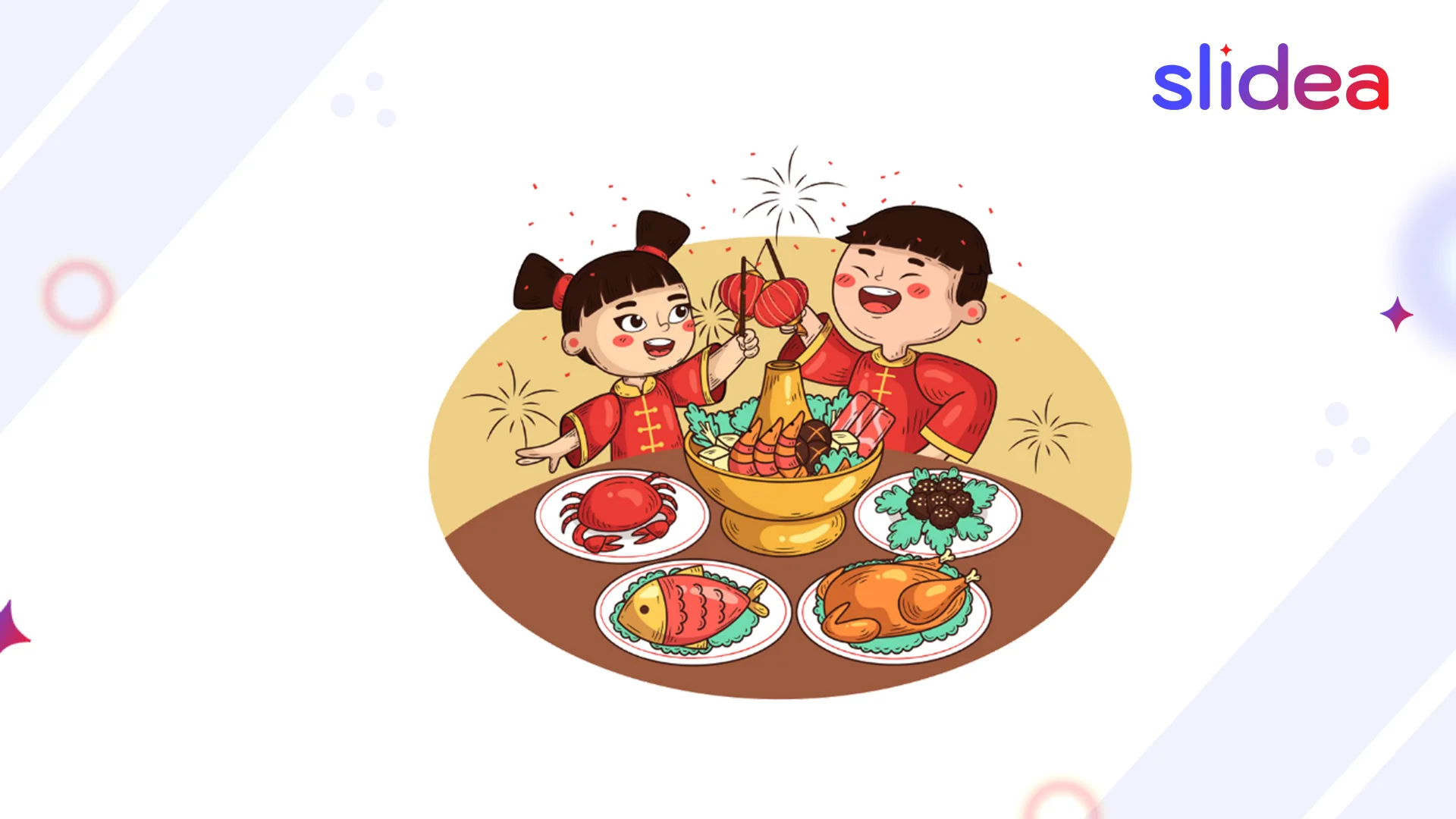
Each dumpling that your grandma rolls has a wish of prosperity. The fish on the table is not merely dinner, it is an assurance that you will have plenty enough next year. And your long noodles you cannot cut at all? They are literally adding years on your life as they slurp.
Chinese New Year food is not what you stuff your stomach with but is populating hope, welcoming prosperity and literally eating your way to good fortune. Every meal is a legend written in thousands of years, in which wordplay, symbolism and tradition of the cuisine come together to create something extraordinary: food that nourishes not only the body but also the soul..
As we prepare to welcome the Year of the Snake on January 29, 2026, the traditional reunion dinner becomes more important than ever. These aren’t just recipes passed down through generations, they’re edible wishes, symbolic gestures wrapped in deliciousness, and the delicious center of family celebration.
You may be Chinese American, getting back to the roots of your ancestors, or just someone who has just become intrigued by Chinese culture, or maybe you are just a foodie and want to know how the food you are eating is so significant on a Chinese New Year table. Either way, the following ten traditional foods have to be on your Chinese New Year table. And have a cultural celebration where you need to tell guests about these symbolic dishes and you want to talk about them without losing the attention of the audience then there is a better way of doing it nowadays, and that means using an interactive presentation platform to tell you the story, meaning and traditions behind each dish as your guests learn through quizzes, polls and shared experiences.
Let’s explore the foods that make Chinese New Year celebrations so special and delicious.
1. Dumplings (饺子, Jiǎozi) – Wealth and Prosperity
The Symbolism:
Dumplings shaped like ancient Chinese gold ingots symbolize wealth and prosperity. The more dumplings you eat, the more money you’ll make in the new year.
Why They Matter:
Making dumplings is a family activity. Everyone gathers to fold dumplings together, sharing stories and laughter. Some families hide a clean coin in one dumpling, whoever finds it gets extra luck!
Variations:
Northern China especially loves dumplings during New Year. Popular fillings include pork and cabbage, shrimp, or vegetarian options with mushrooms and tofu.
Serving Tip:
Serve steaming hot at midnight on New Year’s Eve. The tradition says eating dumplings at this moment brings wealth because it’s the junction between old and new year.
2. Fish (鱼, Yú) – Surplus and Abundance
The Symbolism:
The Chinese word for fish (鱼) sounds like the word for surplus (余). Eating fish ensures you’ll have abundance and prosperity throughout the year.
Why It’s Essential:
The fish must be served whole, head and tail intact to ensure completeness from beginning to end. It’s typically the final dish served, and tradition says you should leave some uneaten to symbolize having leftovers (surplus) for the coming year.
Popular Types:
Steamed fish is most common, often prepared with ginger, scallions, and soy sauce. Carp, catfish, or sea bass work beautifully.
Cultural Note:
Position the fish pointing toward guests or elders as a sign of respect. The person facing the fish head should eat first.
3. Spring Rolls (春卷, Chūnjuǎn) – Wealth
The Symbolism:
These golden, crispy rolls resemble gold bars, symbolizing wealth and prosperity. Their cylindrical shape represents ancient Chinese currency.
The Tradition:
Spring rolls are particularly popular in Eastern and Southern China. They’re called “spring rolls” because they’re traditionally eaten during the Spring Festival (another name for Chinese New Year).
Filling Options:
Vegetables like cabbage, carrots, and mushrooms mixed with pork or shrimp. Some families make sweet versions with red bean paste.
Serving Style:
Fried until golden and crispy, served hot with dipping sauce. The crunchier, the better—representing breaking into fortune.
4. Long Noodles (长寿面, Chángshòu Miàn) – Longevity
The Symbolism:
Long, uncut noodles represent long life. The longer the noodle, the longer your life will be.
The Crucial Rule:
Never cut or bite the noodles! Slurp them whole to preserve the longevity blessing. Breaking the noodles symbolically shortens your life.
Preparation:
Usually served in soup or stir-fried. Yi mein (a type of long, flat noodle) is particularly popular for celebrations.
Cultural Significance:
This tradition is especially important for elders, as eating these noodles shows respect for long life and honors ancestors.
5. Nian Gao (年糕) – Rice Cake for Growth
The Symbolism:
The name sounds like “year higher” in Chinese, symbolizing achieving higher positions, better income, and children growing taller each year.
The Texture:
Sticky, sweet rice cake with a dense, chewy texture. The stickiness symbolizes family togetherness.
Variations:
Can be steamed sweet (with brown sugar), pan-fried until crispy, or served savory with vegetables and meat.
Regional Differences:
Shanghai-style nian gao often includes pork and vegetables, while Cantonese versions tend to be sweeter.
6. Tangyuan (汤圆) – Family Unity
The Symbolism:
These sweet rice balls symbolize family togetherness and reunion. Their round shape represents completeness and unity.
When They’re Served:
Traditionally eaten during Lantern Festival (the 15th day of New Year celebrations), but many families also serve them during the reunion dinner.
Fillings:
Sweet fillings like black sesame paste, peanut, or red bean paste. Served in sweet soup, often with ginger.
Cultural Meaning:
Eating tangyuan together as a family symbolizes that everyone will stay close and united throughout the year.
7. Whole Chicken (全鸡, Quán Jī) – Family Unity
The Symbolism:
A whole chicken represents completeness, prosperity, and family unity. It must be served with head and feet intact to symbolize having everything from beginning to end.
Preparation:
Usually poached or steamed with ginger and scallions. The meat stays tender and juicy.
Serving Tradition:
Place the chicken with its head pointing toward the guest of honor or family elder as a sign of respect.
Cultural Note:
Chicken also represents the phoenix (mythical bird), bringing good luck and virtue to the family.
8. Oranges and Tangerines (橙/橘, Chéng/Jú) – Good Fortune
The Symbolism:
The Chinese words for orange and tangerine sound like “gold” and “luck.” They are displayed throughout homes, and many families also pair these lucky fruits with Chinese New Year gifts that symbolize prosperity and good fortune.
The Tradition:
Exchange fresh oranges or tangerines when visiting friends and family. Always give in even numbers (except four) as they’re luckier.
Display Method:
Keep kumquat trees in the home, as the golden fruit symbolizes prosperity. Fresh oranges in bowls welcome good fortune.
Gift Giving:
When visiting someone’s home, bring oranges. When leaving, they’ll often give you oranges in return, exchanging good wishes.
9. Sweet Rice Balls (八宝饭, Bābǎo Fàn) – Eight Treasures Rice
The Symbolism:
This festive dessert contains eight types of dried fruits and nuts, representing wealth and good fortune. Eight is an extremely lucky number in Chinese culture.
Ingredients:
Sticky rice with combinations of red dates, lotus seeds, dried longans, raisins, walnuts, and other sweet ingredients.
Preparation:
Steamed in a bowl and inverted onto a plate, creating a beautiful dome shape often decorated with a cherry on top.
Special Occasions:
Served during celebrations and always at wedding banquets, symbolizing sweetness and prosperity.
10. Hot Pot (火锅, Huǒguō) – Togetherness
The Symbolism:
Everyone gathering around one pot, sharing food and conversation, represents family harmony and togetherness.
Modern Tradition:
While not ancient, hot pot has become a beloved New Year tradition because it perfectly embodies communal eating and celebration.
The Experience:
Everyone cooks ingredients in the shared broth, meats, vegetables, noodles, dumplings. The meal stretches for hours, filled with conversation and bonding.
Regional Varieties:
Sichuan-style with spicy broth, Cantonese-style with clear soup, or split pots offering both options.
Transform Your Chinese New Year Food Celebration with Slidea
Using interactive presentation software like Slidea, a Chinese New Year meal becomes more than just food, it turns into a shared cultural experience where guests learn the meaning behind each dish while actively participating. Below is how different slide types can be used to make your food celebration interactive, engaging, and memorable.
| Slide Type | How It’s Used in the Food Celebration | Example Question / Activity |
| Select Answer Quiz | Used at the start or between courses to introduce food symbolism in a fun, low-pressure way. | Which dish symbolizes longevity during Chinese New Year? (A) Dumplings (B) Long noodles (C) Spring rolls |
| Type Answer Quiz | Encourages deeper thinking by asking guests to type short answers about traditions or food meanings. | What does eating fish symbolize during Chinese New Year? |
| Live Poll | Helps guests vote on favorites and sparks table conversations after tasting dishes. | Which dish did you enjoy the most so far? |
| Word Cloud | Collects wishes or feelings connected to food and the New Year, creating a visual moment on screen. | What do you wish for in the New Year? (Health, Wealth, Happiness, Family, Success) |
| Multimedia Slide | Displays images, short videos, or visuals explaining how a dish is prepared or served traditionally. | Slide showing how dumplings are folded and why their shape represents wealth |
| Ranking Slide | Adds playful competition by asking guests to rank dishes or symbolic meanings. | Rank these foods by how lucky they are: Dumplings, Fish, Noodles, Rice Cake |
| Open-Ended Slide | Captures personal memories and family traditions related to food. | Share a childhood memory connected to Chinese New Year food |
| Guess the Number | Turns food facts into a fun guessing game during breaks. | How many pleats are traditionally folded in a dumpling? |
| Q&A Slide | Allows elders or hosts to answer questions from guests about traditions or cooking methods. | Guests ask: Why is the fish not fully eaten? |
Final Thought
Chinese New Year food is more than tradition, it is storytelling served on a plate. Every dish on the table carries a message of hope, abundance, health, and togetherness. In 2026, as families gather to welcome the Year of the Snake, these foods remind us that celebration is not just about eating well, but about understanding why we eat what we eat. When you share the meaning behind each dish, whether around a dining table or through an interactive presentation, you turn a meal into a memory and a tradition into a shared experience. That is what keeps culture alive, one bite at a time.
FAQs
Q1. What is the traditional food for Chinese New Year?
Traditional Chinese New Year foods include dumplings, whole fish, long noodles, spring rolls, rice cakes (nian gao), tang yuan, and oranges, each symbolizing luck, wealth, longevity, or family unity.
Q2.What are the 7 lucky New Year’s food traditions in Chinese culture?
The seven lucky foods commonly eaten are dumplings (wealth), fish (surplus), long noodles (long life), spring rolls (gold), rice cake or nian gao (growth), oranges (good fortune), and tang yuan (family togetherness).
Q3.What are the top 10 Chinese foods?
The most popular Chinese foods worldwide include dumplings, fried rice, chow mein, Peking duck, sweet and sour pork, spring rolls, hot pot, kung pao chicken, mapo tofu, and wonton soup.
Q4.What is the national dish of China?
China does not have one official national dish, but Peking Duck is often considered the most iconic dish because of its historical importance and global recognition.






Leave a Comment
Your email address will not be published. Required fields are marked *